Our physiotherapist explains everything about preferred positions in babies!
As adults, you are either left-handed or right-handed
This develops around the time you are in the second grade, and it's all you really know. In my case, I write with my right hand and am quite clumsy with my left. I can't even stick a stamp on straight with my left hand! But what about babies? Can they already have a preferred side? What does this mean for a child? You can read about it in this article.
Directive
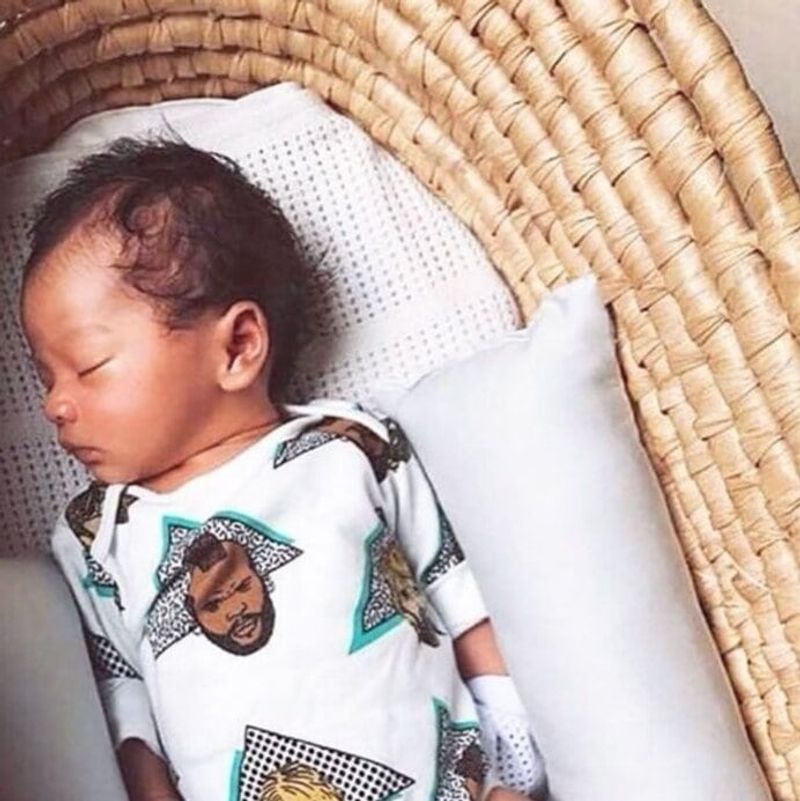
Since the latest guideline on sudden infant death syndrome, almost all children in the Netherlands sleep on their backs. Since the new guideline has been established, which, in addition to the advice for back sleeping, has adjusted a number of other things in the guideline, we see the number of preferred positions continue to grow. What exactly is a preferred position? We speak of a preferred position when a child spends more than three-quarters of the time with their head turned to one side. 17% of newborns under six months have a preferred position. Sometimes we see the preferred position from day one and sometimes it gradually develops.
Causes
There are various causes for a preferred posture, it can simply be because a child has, for example, the mother's bed on the right side of their little bed, or that the light in the living room always comes from the right in the playpen. Sometimes it also has to do with the parents' preferred posture and that parents always offer something from a certain side.
Sometimes there might be something else going on. There could be stiffness in the neck muscles that developed during childbirth, or there might be a case of hip dysplasia. Therefore, it's always important that if you suspect your child has a preferred posture to discuss it with the child healthcare clinic. They can examine the neck muscles and hips and discuss with you what you can do yourself or whether it might be necessary to involve a pediatric physical therapist.
Consequences
The consequences of a preferred position are initially purely cosmetic, as the skull of a newborn is still paper-thin, which quickly results in flattening at the back of the skull. This happens 'simply' because the baby lies on it all the time, and a flat skull is simply more comfortable than a round one. Isn't it nice to have a body that adapts to your needs!
Another consequence is that if a child, for example, looks to the right all day, they do not see their left hand and arm. Something you don't see and are unaware of its existence, you cannot use, and therefore cannot develop. That's why we sometimes also see a lag in motor skills in one of the arms.
What can you do
By acknowledging it, you've already taken a huge step! For instance, you could make the bed in reverse or place it differently, position the playpen so that you always address your child from the non-preferred side, and for example, feed and change them straight from the front.
Do not place towels behind your baby to make it lie on the round side. What you might achieve is indeed a reduction in the flattening, but you're only further training the muscles that have already become strong due to the preference. This is because as humans, we tend to push against something pressing on us. It works the same way for a baby! So what will the baby do: just try to push against the roll. Try to be especially aware of how you position your baby.
Having a pediatric physical therapist come to your home. They can provide advice on handling and positioning your child and can help you resolve any muscle strength imbalances that have arisen through simple and fun games!
ANNE