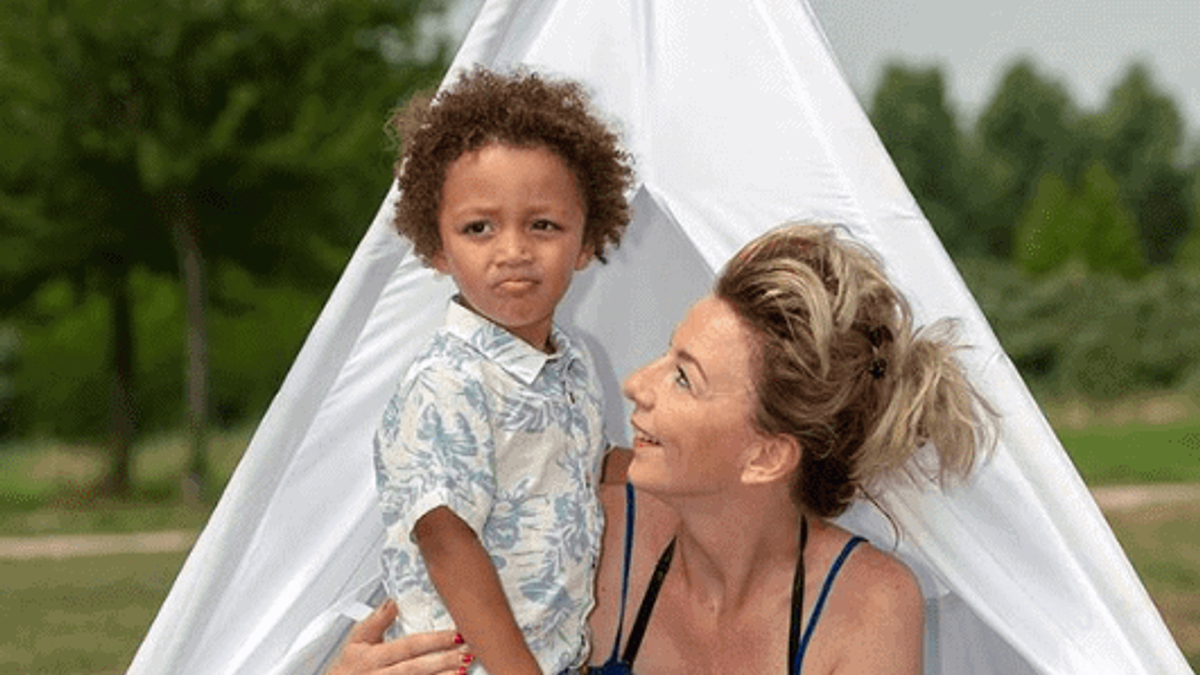
Natasja: “I have adopted a child”
“There is nothing more we can do for you, I'm sorry,” she said as she shook our hands. And there we stood. We hadn't even taken off our coat. The conversation lasted less than a minute. A year and a half. In and out of hospitals. Injections, measurements, tests, tears, and carrying on. And all of that was over in one minute. Our fertility journey. The journey that dominated every day, every hour, ended with the slamming of a door.” Natasja has completed the fertility process and decided to go for adoption!
Would you be willing to share why you haven't been able to have a child?
Unfortunately, we just haven't been able to conceive. 1 in 8 couples face fertility issues, and we are one of those. No specific reason has been found, which often happens. Because my desire for a child was greater than my wish to be pregnant, after a tough journey through the hospital system, we decided to pursue adoption.
Is it difficult to adopt a baby in the Netherlands?
Yes. In the Netherlands, it is very difficult. Domestic adoption is not possible because my partner is over 40. Every country has its own rules and laws. For example, in some countries, you have to be married for a minimum number of years, be religious, and so on. We eventually settled on America for various reasons. For instance, the birth mother chooses the adoptive parents, which we found very appealing, even though it is bittersweet and heartbreaking, we also thought it was beautiful. Additionally, the children from America are usually very young, which meant for us that we would be involved and present in his entire life, from the start. When we registered for adoption, we were told that we first had to attend a sort of training (5 sessions) about adoption. We waited over 18 months for this. The training took several months. After that, we could request conversations with the Child Protection Board. This also took several months to wait for. During these conversations, at the office and at our home, it is thoroughly examined whether we qualify for adoption, and whether our wishes are realistic. What do you want? What can you do? Medically speaking, but also in terms of your background. The most important question is: "Are we the best parents for this child?". Based on this, an extensive report is made, and you get preliminary permission to 'be allowed' to adopt. This is followed by a medical examination. Then you can register with a licensed adoption agency. During the training and research period, we did some research and found out that A New Way fits us best. They mediate between USA and NL adoptions. After registering there, a choice must be made for one of the USA contacts, who mediate from there. They also have contact with the birth families. We chose HOAA (Heart of Adoptions Alliances). With these parties, we had preliminary Skype contact to ask all our questions and get a feel for the agency. In addition, you create a profile book to give the birth mothers a good and honest picture of who you are and what your life looks like. And even more importantly: where the child will end up. Who are you? What do you value in life and in upbringing? Meanwhile, (a lot of) lists need to be filled in with information regarding the boundaries you have as a couple. Are you open to medical indications in the child, or a burdensome history of origin? If a birth mother has chosen you, everything is clearly explained and discussed in detail. Then, permission from The Hague is required, once the child is there and when the birth mother has signed for relinquishment, after birth. Only then can you travel to meet your child. Once back in the Netherlands, there are also one or more conversations with the Child Protection Board, to see if everything is going well, and after a few months, the official finalization, with a judge in America follows. It is therefore a long and complicated process, which takes years and where the interest of the child is always put first. And rightly so!
Does your child have problems with attachment, or is it going well?
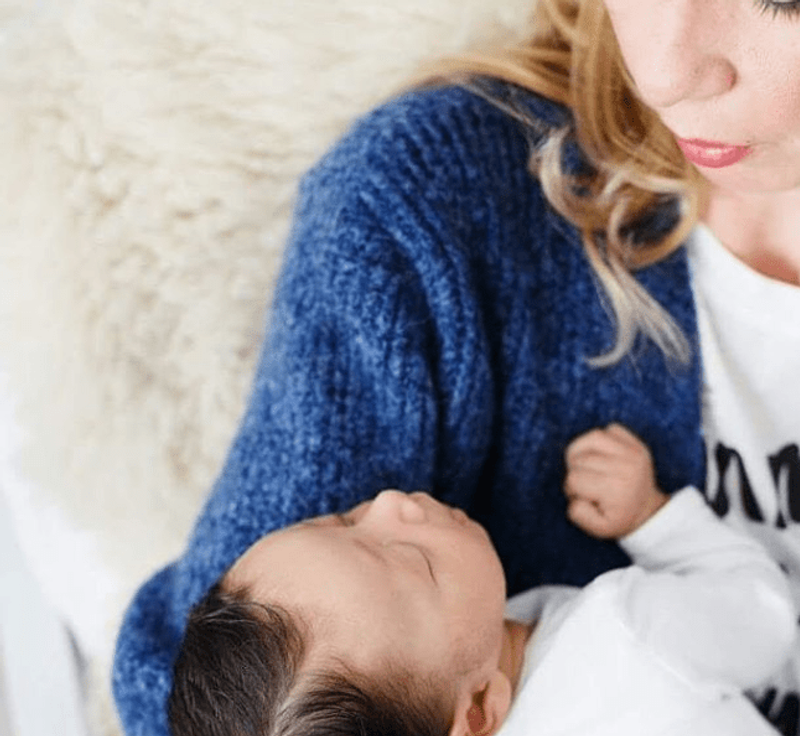
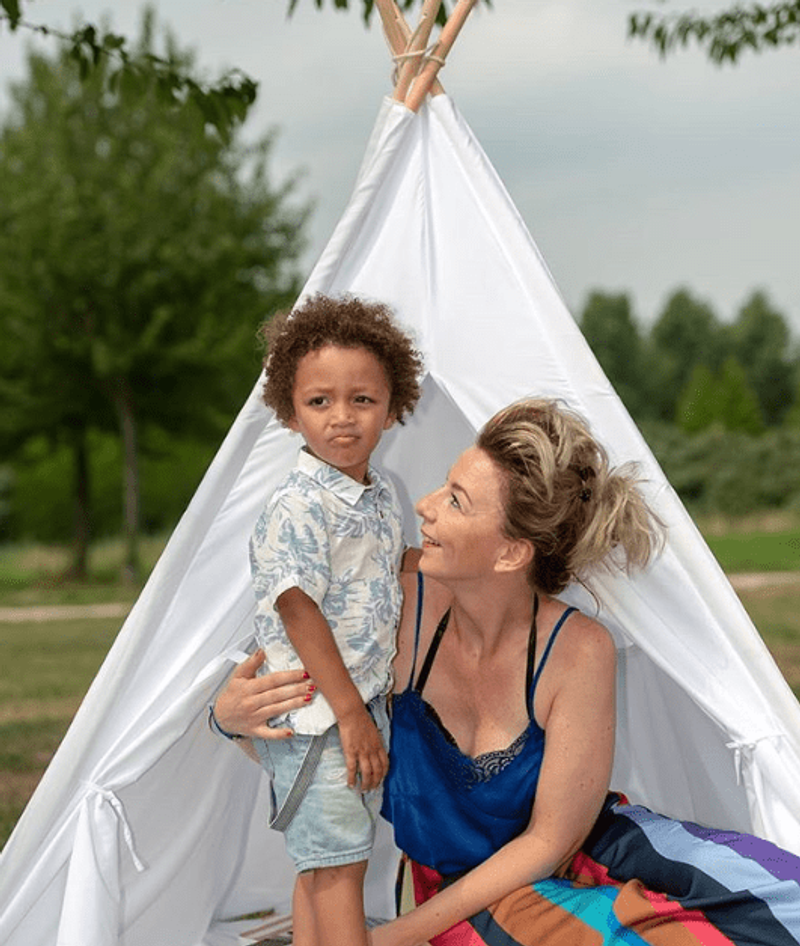
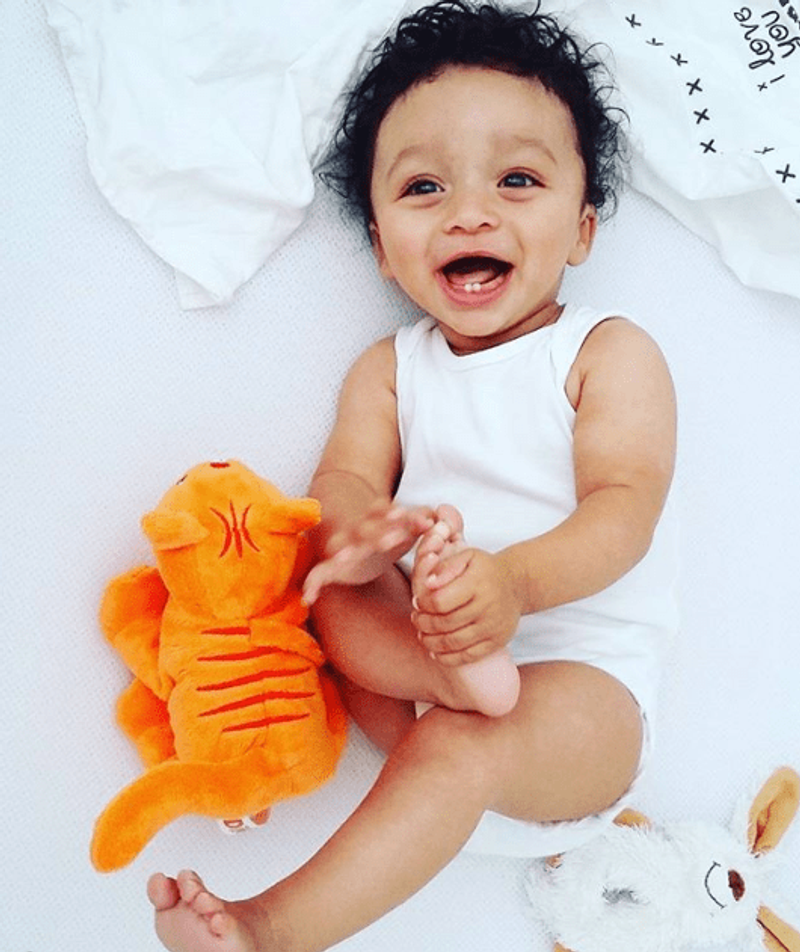
Bram was 12 days old when we first saw him. This is an advantage, but not a guarantee. We are extra vigilant about this. Although you never know what the effect will be in the future, it seems that for now, Bram has no problems with attachment at all. Various professionals have also indicated that they see no difference in Bram's bonding and attachment compared to a child who has not been adopted.
May your child have contact with their biological mother?
Absolutely. She is a part of him. And thus, a part of us. Just as he is a part of her and always will be. For instance, we have a photo of us together in his little room. He knows her name. We are very open about it, even now. We tell stories about the adoption and use everyone's names in child-friendly language. We have a good and pleasant contact with his birth family. There is a lot of respect and love for each other. For Christmas, we send each other small gifts and a heartfelt letter. I'm not going to erase his past. We want him to grow up knowing that he is dearly loved by us, but also by them. We call them our Extended Family and that's truly how it feels.
What is difficult or not going well in the current adoption process?
The hardest part for me was the waiting. I was not good at this. It took about 15 months – the time between registering with A New Way and the birth of Bram. At that point, you have no control and must just wait. During that period, it's very much 'all or nothing'; there's no news until the big news. In between, there's nothing. I struggled a lot with this.
Do you get a lot of annoying questions about your baby?
No, not really. What I find difficult is when people use the term “real” mother. Or the term “given up”. I do notice that we are viewed differently since participating in the program With Open Arms, which we took part in. In a positive way, there is more understanding for our situation and from the birth family's side. Since then, people speak about it more respectfully. Questions like: “Why didn’t she want or need him?” I find quite disrespectful. I don’t mind being asked about it – it’s the way it’s asked that matters. By the way, this is a question we do not answer, no matter how open we are. This is for Bram and not for the public.
How do you think adoption could be made much nicer?
It would be nice if adoptive parents had more contact with other adoptive parents. Fortunately, this is becoming more common. Not only in the lead-up to and during the adoption process, but also once the child is there, there's a lot to arrange. By helping each other, there's no need to reinvent the wheel, but you can learn from each other's knowledge and experience. Moreover, it's incredibly nice to talk with fellow adoptive parents about matters that you don't easily share with other parents. Parents who are in the same (waiting) boat or who have the same questions about the children. It's nice to talk to others about this. In the world of adoption, I have personally gained a few valuable and special friendships through this, which are very dear to me.
Would you like to have more children?
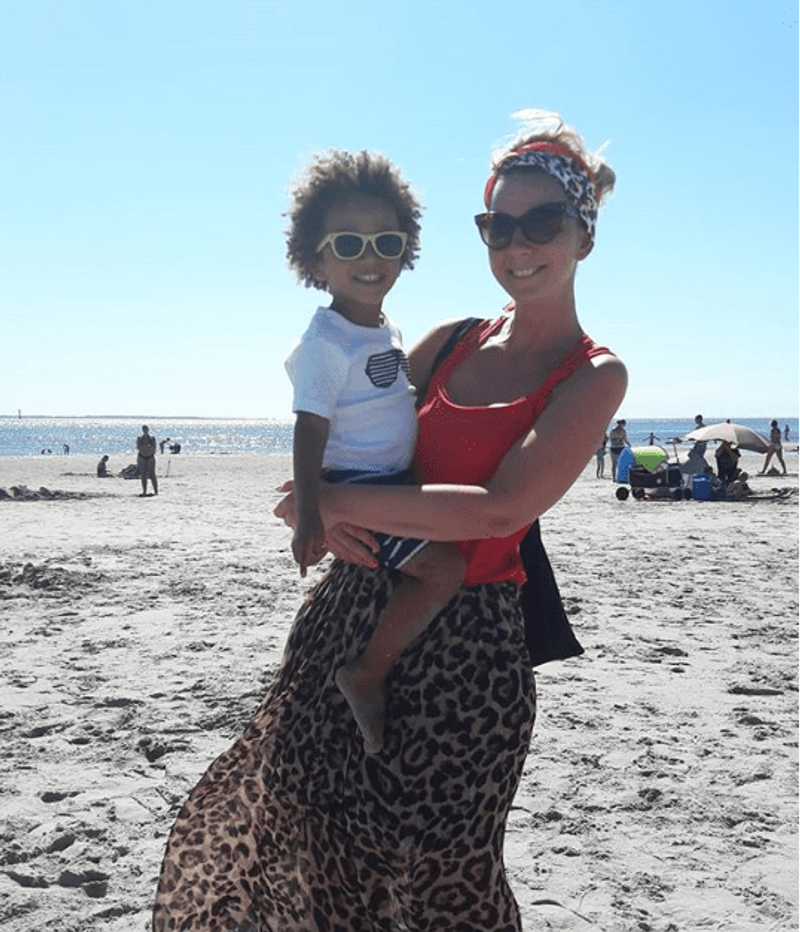
Tough question. Yes and no. Personally, I would have liked to have had more children. But we are overjoyed with Bram. He is truly a stroke of luck. He's doing great, is easy-going, cheerful, and the most fun and sweetest in the world. Adoption is an expensive affair. We have chosen not to start this process again partly because of this. In addition, our desire for children was fulfilled with the arrival of Bram, count your blessings. That's the story regarding adoption. As for the biological aspect, I can be brief: No. I do not have the desire to become pregnant and to have another child in the 'natural' way. This might sound strange or illogical. But adoption is truly our path. We are convinced of that by now.
This is an article from the year 2018, the adoption rules have since been changed.